Image
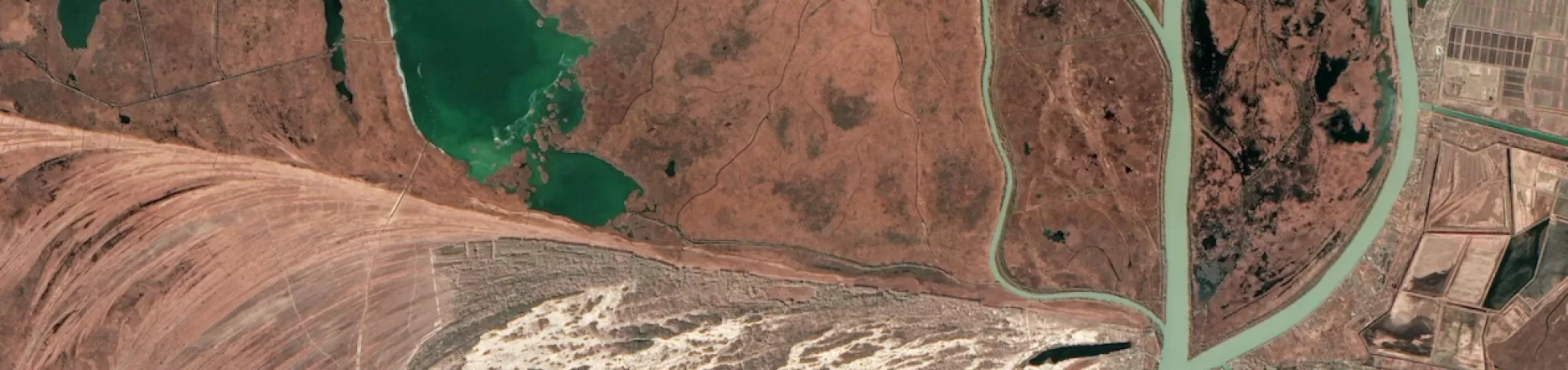
BS in Mining Engineering
Earth and Environmental Engineering
Undergraduate Programs
In-Person
Play a vital role in powering the modern world with this pioneering undergraduate program.
The global transition to a low-carbon economy, coupled with growing demand for advanced technologies, has led to a surge in demand for critical minerals and rare earth elements. This shift necessitates a new generation of mining engineers equipped to extract these resources responsibly and efficiently.
Columbia’s BS in Mining Engineering prepares you to lead in this new era of resource innovation. With a focus on sustainability, safety, and advanced technology, our program trains engineers to design responsible mineral supply chains that power everything from smartphones and EVs to solar panels and wind turbines.
Our cutting-edge program blends foundational science and engineering with specialized training that reflects the most innovative industry practices. The curriculum focuses on four core areas:
- Mineral processing and mine design
- Environmental reclamation and circular economy
- Automation, data analytics, and artificial intelligence
- Energy systems and ventilation
Modern mining practices require sustainable methods, effective reclamation techniques, thorough environmental impact assessment, and meaningful community engagement. From your first year, you’ll address the most complex mining challenges, from sustainability and environmental responsibility to technological integration. Advanced technologies like automation, data analytics and AI are integrated into the curriculum to prepare you for a technologically advanced future.
Technical learning is complemented with Columbia’s Core Curriculum to ensure you develop the critical thinking and ethical perspective needed to make high-impact decisions in a global context. By graduation, you’ll be equipped to innovate across the mining value chain—from exploration to mine closure.
Why Study Mining Engineering at Columbia?
Experience the rigorous intellectual climate of an Ivy League institution while studying in the supportive atmosphere of a smaller engineering department — all in the heart of New York City.
As a student here, you’ll benefit from:
As a student here, you’ll benefit from:
-
Global Energy Transition Focus
Tackle the pressing challenge of sourcing minerals for renewable energy technologies and infrastructure.
-
Modernized, Industry-Aligned Curriculum
Our curriculum has been specially designed to reflect current industry practices, incorporating technical advances, emerging trends and vital soft skills such as strong teamwork, communication and problem-solving skills.
-
A Legacy of Leadership
Columbia's School of Mines, founded in 1864, laid the groundwork for engineering education in the U.S. Our Mining program continues that tradition with a renewed focus on climate and sustainability.
-
Sustainability-Centered Engineering
Learn to integrate environmental stewardship and community engagement into every phase of the mining lifecycle.
-
Enhanced Career Prospects
This specialized training will distinguish you from other engineering graduates, making you a highly sought-after professional in the mining industry.
Our dedicated Assistant Director of Graduate Career Placement can provide you with expert advice both during your studies and after graduation. You’ll receive personalized career guidance, application support, tailored workshops, and access to exclusive job opportunities within the earth and environmental engineering sector and beyond.
With strong industry connections, we also facilitate networking events and internships that give you the experience and confidence to stand out in the competitive job market.
-
Major or Minor in Mining Engineering
If you are interested in our department but want to major in another field, you can still minor in Mining Engineering. Due to our broad and multidisciplinary scope, a number of our courses are already required across other engineering departments. As well as developing interdisciplinary knowledge, this structure will ensure your workload is manageable.
What Will I Learn?
Our curriculum integrates fundamental math and science with technical mining engineering practices. You’ll also take nontechnical classes across Columbia’s Core Curriculum. Developing this interdisciplinary knowledge will prepare you to navigate the complex challenges faced by tomorrow’s industry leaders.
Requirements
Our program is highly competitive and the requirements reflect the rigorous nature of our training. The requirements to both apply for and complete our BS in Mining Engineering at Columbia University are listed below.
-
Application Requirements
What we look for:
- Transcripts and school reports. We accept all secondary school qualifications (AP, International Baccalaureate, Cambridge A Levels, National School curricula, etc.). We do not have standardized requirements or “cut-off” test scores for first-year admission but we do expect to see coursework in physics and calculus.
- Teacher recommendations. We would like to learn more about your contributions in the classroom and at school, as well as what you might offer to your Columbia classmates.
- Responses to our Columbia-specific application questions. Your answers will provide us with insight into your intellectual interests and the way in which your curiosity and sense of community might translate to Columbia’s campus.
- A personal statement. We review applications in context, taking into account the multiple, intersecting ways that you have been shaped by your family circumstances. Understanding who you are, what your home responsibilities are, whether you have experienced any systemic and situational barriers and advantages will ensure we can review your application fairly and accurately.
- English language proficiency. If your home language is not English or if your secondary school studies were predominantly in another language, you will need to provide evidence of your English language proficiency. Visit our English Proficiency Requirements for accepted exams and minimum score requirements.
-
Degree Requirements
BS in Mining Engineering
To graduate from our BS program you must complete:
- 18 credits (approximately six courses) of technical Mining Engineering electives during your final two years.
- The Columbia liberal arts core. This is typically satisfied during the first two years, although you can undertake non-technical electives during your final two years.
Minor in Mining Engineering
To earn a minor in Mining Engineering, you must complete:
- Six courses selected from a specified list approved by your undergraduate advisor.
Undergraduate Financial Aid
What matters most to us is your ability to thrive at Columbia.
We offer plenty of financial options to support you through your journey with us. Learn more about the types of aid that are available.
Combined Plan
Find out how you can earn a Liberal Arts degree at your current university and also a BS in Earth and Environmental Engineering from Columbia University.
Careers & Outcomes
With global career opportunities in mining operations, consulting, and environmental management, you won’t just find a job—you’ll join a mission to redefine the future of global energy. Whether working deep underground, in remote landscapes or in cutting-edge offices around the world, your career options as a mining engineer will be both diverse and impactful.
Your training also provides a strong foundation for graduate studies. Many graduates pursue MS and PhD programs in mining, chemical, computer, climate, electrical, and environmental engineering. They have also launched successful careers in transferrable fields such as law, policy, finance, consulting, and medicine.
Department Faculty
Image
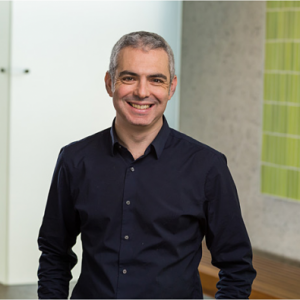
Daniel Steingart | Image

Bolun Xu |
Research and Work Experience Opportunities
Hands-on experience
At Columbia, you don’t have to wait until you graduate to start making a contribution. There are lots of opportunities to gain hands-on experience through research projects and summer internships.
Our faculty-run laboratories always need students to support them with their cutting-edge research spanning across areas such as electrochemical energy, carbon capture, climate modeling, materials recycling, and more.
Student Research Opportunities
Entrepreneurship
Considering launching a startup during your studies or after you graduate? Columbia Engineering Innovation, Design & Entrepreneurship team can help you develop the business acumen to successfully launch your venture.
The team offers specialist entrepreneurship courses, bootcamps, networking opportunities and spaces for prototyping and testing. They also organize competitions with opportunities to win seed funding. This community of talented professors, students and alumni will give you the network of support needed to achieve your entrepreneurial goals.
Entrepreneurship Opportunities
Related Programs

MS in Earth and Environmental Engineering
This MS program explores the most imminent challenges of our time - from sustainable energy and carbon management to safe and secure water and responsible resource management.
BS in Earth and Environmental Engineering
Prepare to apply the tools of engineering to address complex environmental challenges.